


To choose activewear online, first check whether the size chart lists body measurements or garment measurements. Then measure in the same units and at the same points the chart describes. A familiar size label is a starting point, not a substitute for checking the dimensions and intended fit.
This guide explains how to take useful measurements and avoid common comparison mistakes. Always follow the individual retailer's measuring instructions when they differ from the general methods below.
Start with the size chart, not the tape measure
Open the Vie size chart and read the labels and any diagrams before measuring. Check which product or category the guidance covers, what units it uses and whether the measurements refer to your body or to a finished garment.
Body measurements describe you. Garment measurements describe the clothing, often laid flat. These numbers serve different purposes: the difference between body and garment size can reflect intended room, stretch and construction. Do not treat them as interchangeable or add an arbitrary allowance.
Prepare for consistent measurements
Use a flexible measuring tape that has not stretched. For body measurements, stand naturally in light clothing and keep the tape close without pulling it tight enough to compress your body. A mirror or another person's help can make it easier to keep the tape level.
Write down the measurement name, number and unit. Repeat a measurement if the tape has slipped or you get different results. Avoid holding your breath or changing your posture to make the number match a preferred size.
Taking body measurements
Chest
Unless the chart specifies another method, measure around the fullest part of your chest, passing the tape under your arms and across your back. Keep your shoulders relaxed and check that the tape stays approximately level.
Waist
Use the waist position identified by the chart. Natural-waist and trouser-waist measurements are not necessarily taken at the same height. Do not assume that the number printed on another pair of trousers is your body measurement.
Hips
Where a hip measurement is requested, follow the chart's diagram. A common method is around the fullest part of the hips and seat with the tape level, but the retailer's specified position takes priority.
You may not need every body measurement for every item. Focus on the dimensions the product's chart actually uses.
Measuring a garment you already like
If the chart provides garment dimensions, choose a similar item that fits you well. Lay it flat on a smooth surface, smooth out folds and do not stretch it unless the instructions specifically call for a stretched measurement.
T-shirt width and length
For a flat chest-width measurement, use the exact points shown in the chart, often from one underarm to the other. This is a width, not a chest circumference. Only double it for a comparison when the retailer's method calls for that conversion.
For length, check the stated starting point. Measurements taken from the shoulder, back neckline or another point can produce different results on the same shirt.
Shorts and joggers
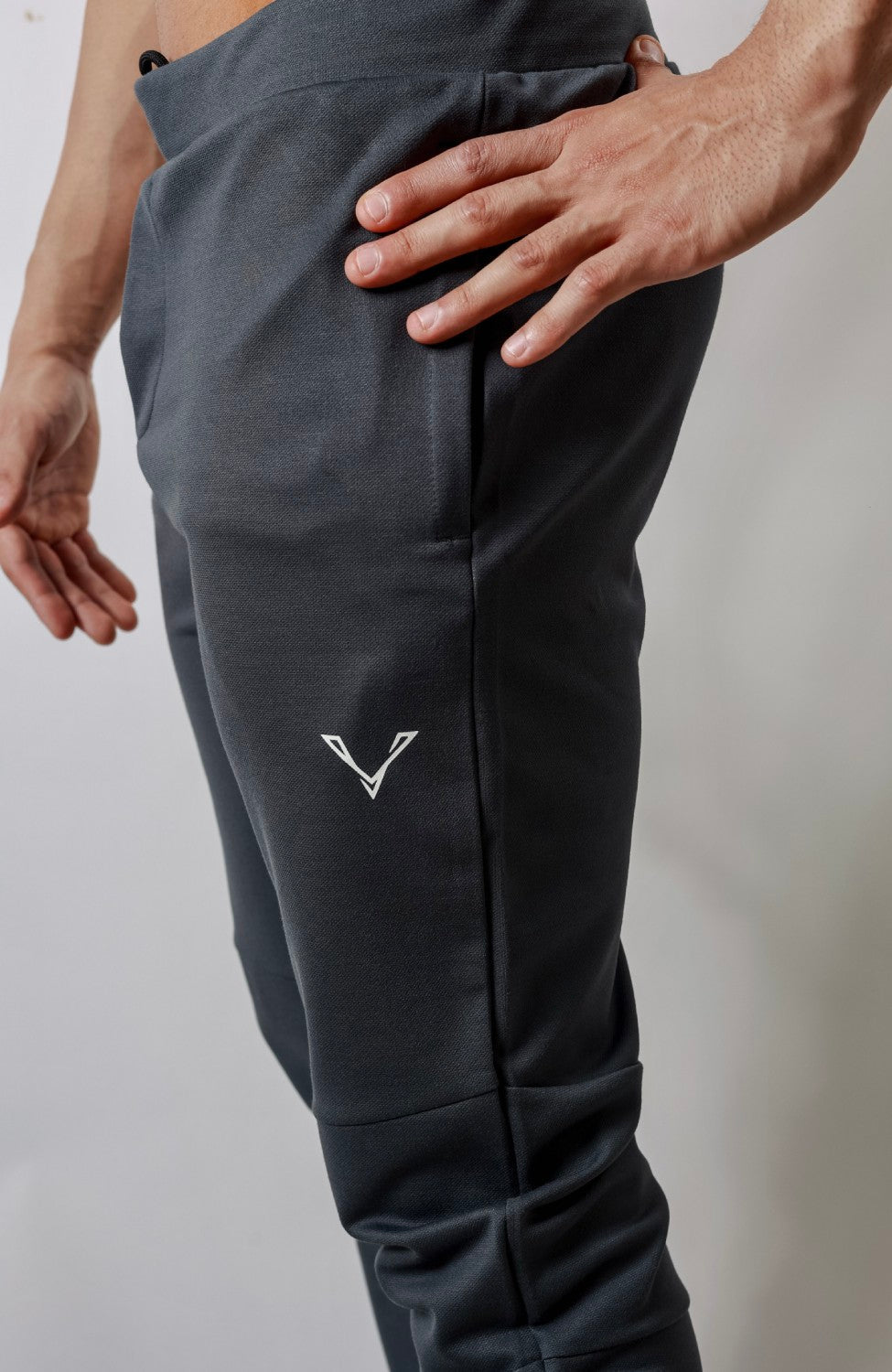
Check whether waistband measurements are taken flat, around the full waistband, relaxed or stretched. These are different readings. For an inseam, measure along the inside leg seam from the crotch seam to the hem; do not confuse it with the full outside-leg length.
On 2-in-1 shorts, the inner and outer layers can have different lengths. Confirm which layer the listed measurement describes.
What to do if you fall between sizes
Check which measurements are between sizes and which fit preference matters most to you. Automatically sizing up or down can solve one issue while creating another, such as extra length or a loose waistband.
Read the product's intended-fit guidance and ask for help if the chart does not resolve the choice. Share the relevant measurements and the fit you prefer rather than relying only on height and weight. Our athletic versus oversized T-shirt guide explains why a designed silhouette is different from simply changing size.
Use measurements alongside movement and fit checks
Measurements narrow the choice, but they cannot tell you exactly how a garment will feel in motion. When your order arrives, follow the retailer's try-on and return conditions, keep any required tags attached and check fit before washing or training in the item.
For tops, reach forward and overhead. For bottoms, sit and bend comfortably. Look for pulling, unwanted slipping or repeated adjustments. For more detail, see our training-shorts guide or jogger fit guide.
Ready to compare options? Review the current product details in the T-shirt collection or joggers collection, then return to the size chart before selecting your size.


Leave a comment
This site is protected by hCaptcha and the hCaptcha Privacy Policy and Terms of Service apply.