


Care for training clothes by following each garment's care label, choosing compatible laundry products and drying the item as directed. Do not assume that every gym T-shirt, pair of shorts or joggers can use the same wash cycle simply because you wear them for the same activity.
This guide gives you a practical routine without prescribing an unverified temperature or drying method for any Vie product. The instructions supplied with your individual garment take priority.
Read the care label before the first wash
Check the label for washing, bleaching, drying, ironing and professional-cleaning instructions. Read any written notes too, especially those relating to prints, trims or washing with similar colours.
A fabric composition tells you what the garment contains, but it does not replace its care instructions. Construction, dyes and finishes can affect how the complete item should be treated. Two garments with similar fibre content may still have different directions.
If the label is missing or unclear, contact the retailer with the product name and a photograph of the label before choosing a method.
Unpack your kit after training
Take worn clothing out of your gym bag rather than leaving it bundled together. If you cannot wash it immediately, allow damp items to air in a suitable place before placing them with the rest of your laundry. Keep them away from clean clothing.
Check pockets for keys, tissues and other objects. On lined shorts, check both the outer pockets and any storage in the inner layer.
Prepare a load with compatible care requirements
Group items by their label instructions and colour guidance, not just by the fact that they are sportswear. Check whether an item needs a separate wash or special handling before adding it to a mixed load.
Follow any directions to turn the garment inside out, close fastenings or use a laundry bag. Avoid washing delicate training garments alongside exposed hooks or rough items that could catch them. Do not overfill the machine; use its load guidance so clothing has room to move.
Choose detergent and additives carefully
Use a laundry product that is compatible with the garment's care instructions and follow the product's dosing guidance for your load and machine. More detergent is not automatically a better clean.
Check before using fabric softener, bleach, stain remover or other treatments. Do not assume that an additive is suitable for every stretch fabric, print or finish. Where a treatment permits spot testing, follow its directions on a discreet area first.
Avoid improvised mixtures of cleaning products. If an odour or stain persists, ask for garment-specific advice rather than repeatedly increasing detergent, wash temperature or treatment strength.
Use the permitted wash method
Set the wash method and temperature according to the label. If the item requires hand washing, a machine cycle labelled delicate is not automatically an equivalent substitute.
There is no single wash temperature to recommend for all activewear. Likewise, a method used successfully on one T-shirt does not establish that it is suitable for a pair of joggers or shorts with a built-in liner.
Dry according to the garment's instructions
Check whether tumble drying is allowed and, if so, which setting is permitted. If the label specifies line drying, flat drying or another method, follow that direction rather than choosing based on convenience.
Do not use a radiator or another direct heat source as an unverified shortcut. For layered garments, check that the inner layer and waistband are dry before putting the item away. Avoid storing clothing while it is still damp.
Check prints, liners and fastenings
Before ironing, confirm that the label permits it and whether there are restrictions around logos or printed areas. Do not assume that the same treatment is safe for the main fabric and its decoration.
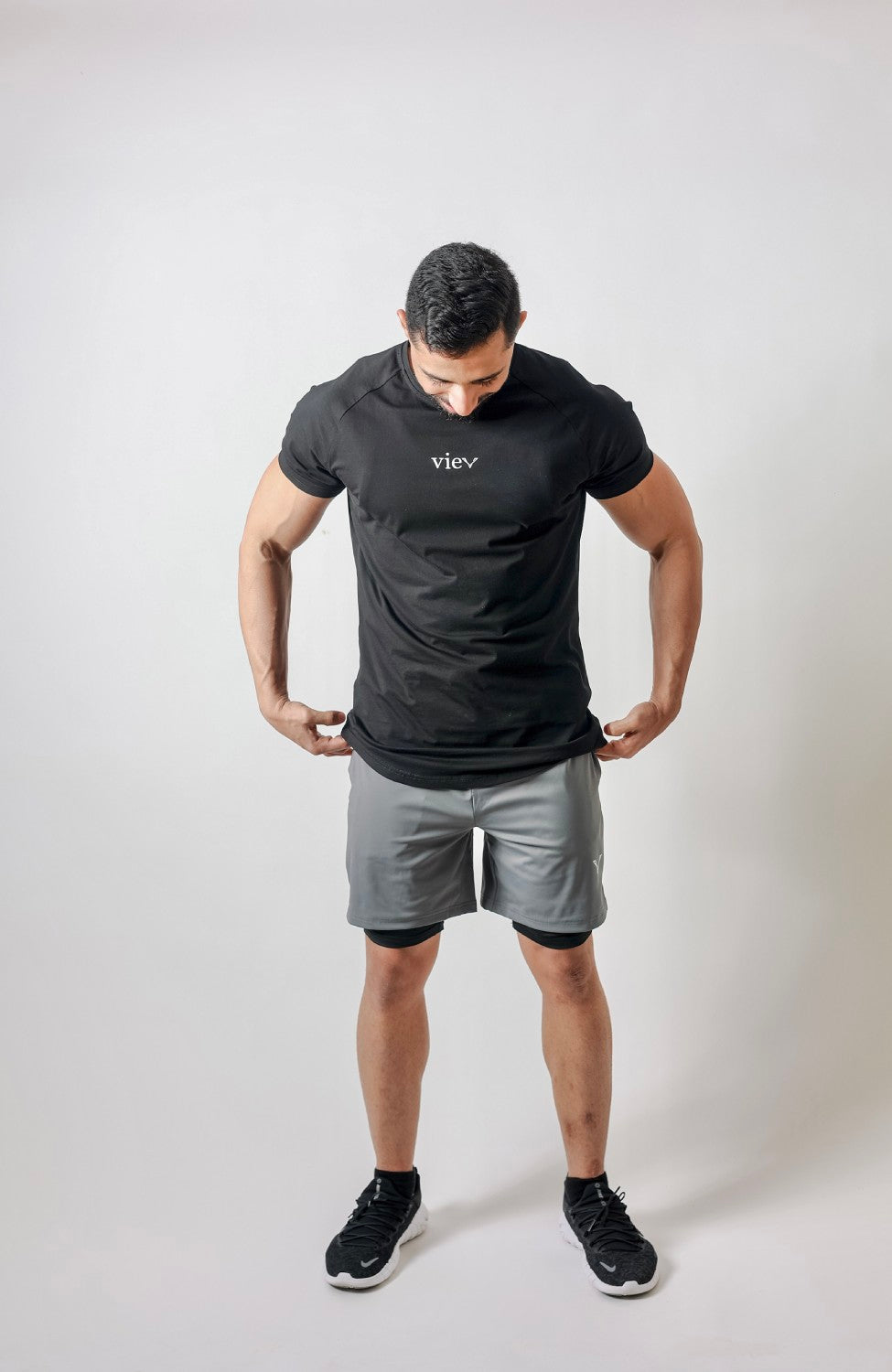
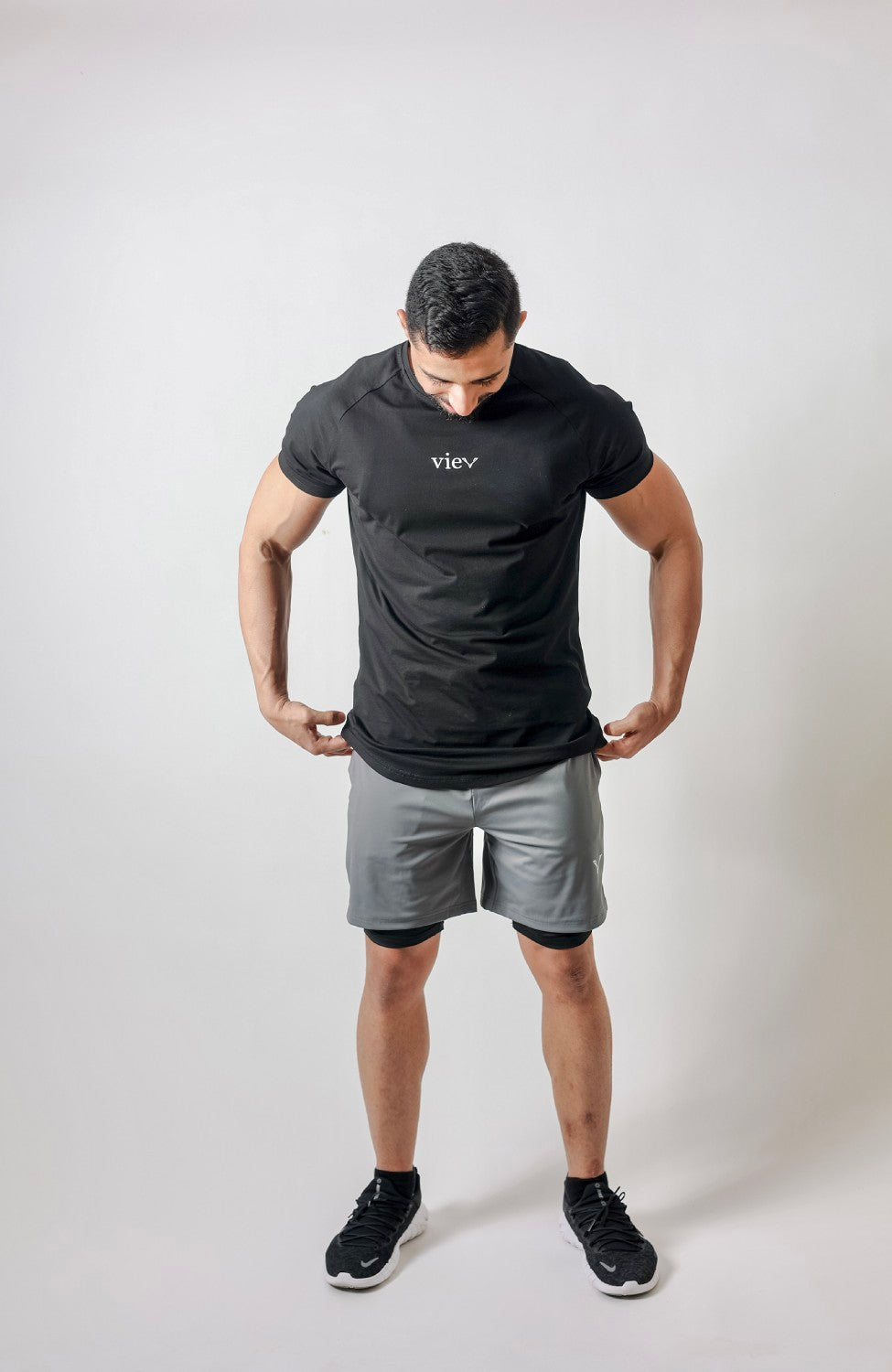
On 2-in-1 shorts, inspect both layers during preparation and drying. For zip pockets and drawcords, follow any supplied handling instructions and check for obvious damage before wearing the garment again.
Build care into your buying decision
Choose clothing whose care requirements fit your routine. If you rely on a particular washing or drying method, check compatibility before ordering rather than assuming every training garment supports it.
When comparing options in the Vie T-shirt collection, shorts collection or joggers collection, review the available product information and ask about any missing care details.
Care is one part of choosing clothing you will enjoy wearing. Our activewear measurement guide covers sizing, while the lined versus unlined shorts guide explains the practical differences between attached and separate layers.

اترك تعليقًا
This site is protected by hCaptcha and the hCaptcha Privacy Policy and Terms of Service apply.